
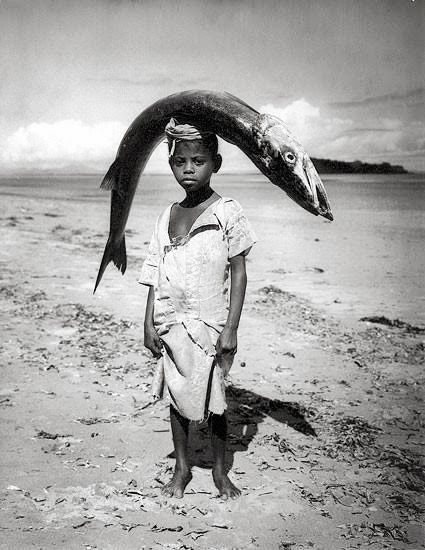
“We walk through different worlds, but we share the same wish to find calm in our steps.”
Saya mengangguk pelan lalu giliran saya yang tersenyum kecil. “I think it’s not that people in Asia never feel burnout,” dengan suara perlahan. “Many do, especially when life moves fast and work keeps asking more and more.”
Ia melihat sekilas ke kaca depan, masih mendengarkan. “I just think sometimes the way we talk about it is different,” lanjut saya. “Meaning, culture, family and the story we tell ourselves. All of that shapes how we feel tiredness.”
Ia mengangguk, seperti mengerti. Di dalam hati, kalimat itu terasa penting. Bukan untuk membandingkan atau menentukan siapa yang lebih kuat atau lebih lemah, melainkan untuk memahami diri sendiri dengan lebih jujur.
Saya menarik napas pelan. “From my side, I see that burnout still exists. Even in Asia. But sometimes people keep going because they feel they have something to hold.”
“Family, responsibility, faith or simply the idea that their effort means something.” tambah saya pelan. Ia tersenyum tipis. “Yes. That is true. Maybe the way we see burnout is different from one person to another.”
Dalam hati, saya mulai menyadari bahwa kelelahan tidak selalu tentang tubuh yang letih. Ada lelah yang muncul ketika hidup kehilangan arah. Ada juga lelah yang terasa lebih ringan ketika kita tahu mengapa kita melangkah.
Yang saya lihat, setiap budaya punya bahasanya sendiri untuk menamai rasa sakit dan rasa kuat dan di antara semua perbedaan itu, kita tetap sama-sama belajar menemukan arti yang membuat langkah terasa lebih tenang.
“Every culture has its own language for pain and strength, yet the heart learns the same lessons.”
Part 36.